

California Compression Therapy
Conveniently located to serve Los Angeles, Orange, San Bernardino, and Kern Counties, with office based in Paramount.
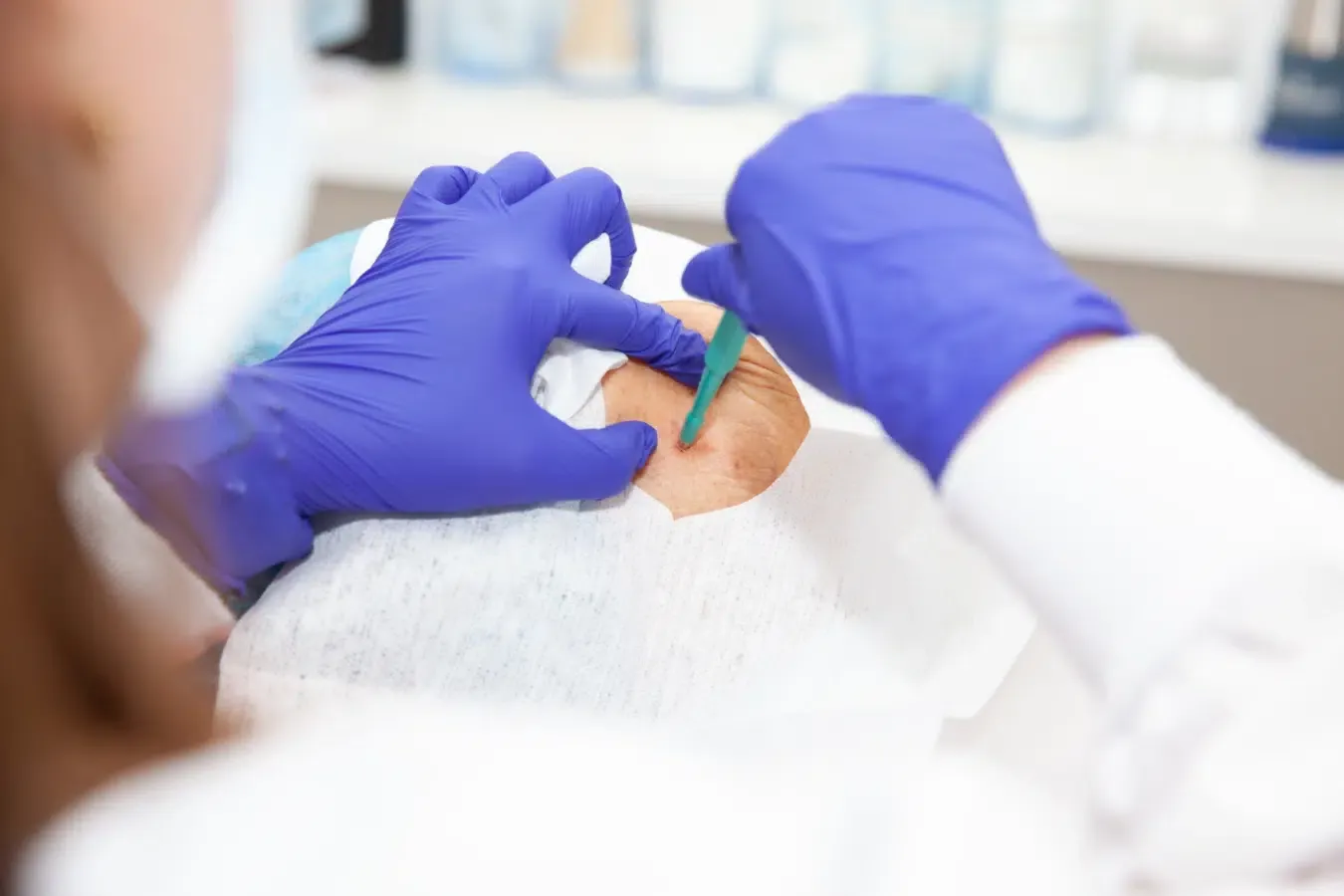
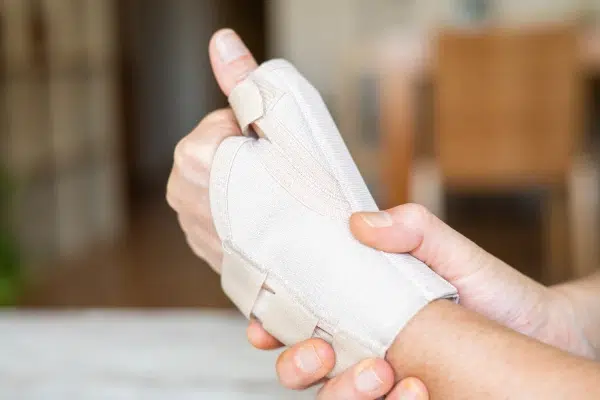
Compression Therapy
What it is: Compression therapy means gently wrapping or using special stockings on your legs to help improve blood flow and reduce swelling.
WHY IT MATTERS:
- Helps your blood flow back toward your heart.
- Reduces swelling so your skin can heal.
- Prevents wounds from coming back.
- Speeds up healing time.
WHEN IT’S USED:
Compression therapy is often recommended for wounds caused by poor circulation or swelling, such as:
- Leg ulcers from vein problems
- Swelling that causes skin breakdown
- Wounds after a blood clot
- Long-term leg swelling (lymphedema)
Think of it like a gentle hug for your legs — giving your veins a boost so your skin can heal faster.

Types of Compression Therapy We Offer
Compression Bandaging
When It’s Recommended
- Active leg ulcers with swelling
- After vein procedures
- Wounds needing firm support
Pros
- Adjustable to swelling changes
- Strong support
- Works if stockings not possible
Cons
- Must be applied by trained staff
- Bulky
- Must stay dry
Healing Timeline
- Swelling improves in 1–2 weeks
- Ulcers often heal in 6–12 weeks
Compression Stockings
When It’s Recommended
- After wound healing to prevent recurrence
- Ongoing vein support
- Mild-moderate swelling
Pros
- Easy daily wear
- Discreet
- Many styles
Cons
- Can be hard to put on
- Less strong than bandages
- Need replacing every few months
Healing Timeline
- Best for long-term maintenance
- Keeps legs healthy if worn daily
Intermittent Pneumatic Compression (IPC)
When It’s Recommended
Severe swelling not controlled by other methods
Lymphedema
Circulation boost at home
Pros
Gentle massage effect
Can use while resting
Helps stubborn swelling
Cons
Requires device & power
Not portable
Not a substitute for daytime compression
Healing Timeline
Swelling may reduce in a few sessions
Works best with stockings or bandages
Two- or Four-Layer Compression Systems
When It’s Recommended
Moderate to severe venous leg ulcers
Need for sustained compression
Pros
Strong, continuous compression
Fewer dressing changes
Proven healing
Cons
Can feel tight/warm
Must be applied by trained staff
Not adjustable at home
Healing Timeline
Swelling improves in 1–2 weeks
Ulcers heal in 8–12 weeks
Why Choose Family and Wound Care Solutions for Compression Therapy
Specialized Expertise
- We review your complete medical history, current medications, and risk factors for both clotting and bleeding.
- We assess your wound type, location, and healing progress before making any anticoagulation decisions.
Personalized Care Plans
- We coordinate closely with your primary care provider, cardiologist, vascular specialist, or surgeon to ensure safe and effective care.
Convenience & Accessibility
- If anticoagulation is recommended, we monitor your blood work (if needed), watch for signs of bleeding, and adjust your wound care plan accordingly.
- We use dressings, procedures, and techniques that protect your wound while accommodating your medication needs.
Patient Education First
- We explain your medication, how it works, and what side effects to watch for.
- We provide clear instructions for wound care at home while on anticoagulation.
Ongoing Support
- We explain your medication, how it works, and what side effects to watch for.
- We provide clear instructions for wound care at home while on anticoagulation.
Patient Education & Resources for Compression Therapy
What to Expect During a Compression Therapy Procedure
Patients who may benefit include:
- Those with a history of blood clots (DVT or pulmonary embolism)
- People with atrial fibrillation or other heart rhythm disorders
- Patients with artificial heart valves
- Individuals with severe varicose veins or venous insufficiency
- Patients with arterial ulcers or poor blood flow to the legs or feet
- People recovering from major surgery and at high risk for clots
How to Prepare Before Your Appointment
- Swelling, redness, or pain in the legs that may signal a clot
- Imaging or blood test results showing clot risk
- History of stroke or mini-stroke
- Wounds showing delayed healing due to poor circulation
- Long-term immobility (bed rest, wheelchair use
Aftercare Instructions
- Increased risk of deep vein thrombosis (DVT)
- Pulmonary embolism (a potentially life-threatening clot in the lungs)
- Poor wound healing due to reduced circulation
- Higher chance of tissue damage or infection in existing wounds
Signs of Infection or Complications to Watch For
- Patients with active bleeding or bleeding disorders
- Those with uncontrolled high blood pressure
- People with a recent hemorrhagic stroke
- Patients with severe liver or kidney disease (depending on medication type)
- Individuals at very high risk of falls or injuries
- People allergic to anticoagulant medications
Home Wound Monitoring Checklist
- Patients with active bleeding or bleeding disorders
- Those with uncontrolled high blood pressure
- People with a recent hemorrhagic stroke
- Patients with severe liver or kidney disease (depending on medication type)
- Individuals at very high risk of falls or injuries
- People allergic to anticoagulant medications
Downloadable Patient Guides
- Patients with active bleeding or bleeding disorders
- Those with uncontrolled high blood pressure
- People with a recent hemorrhagic stroke
- Patients with severe liver or kidney disease (depending on medication type)
- Individuals at very high risk of falls or injuries
- People allergic to anticoagulant medications
Our Approach to Anticoagulation
At Family and Wound Care Solutions Inc., we understand that anticoagulation is not a “one-size-fits-all” treatment. Every patient’s health history, wound type, and risk factors are unique. That’s why our approach is:
Personalized Assessment
- We review your complete medical history, current medications, and risk factors for both clotting and bleeding.
- We assess your wound type, location, and healing progress before making any anticoagulation decisions.
Collaboration with Your Healthcare Team
- We coordinate closely with your primary care provider, cardiologist, vascular specialist, or surgeon to ensure safe and effective care.
Safe and Monitored Treatment
- If anticoagulation is recommended, we monitor your blood work (if needed), watch for signs of bleeding, and adjust your wound care plan accordingly.
- We use dressings, procedures, and techniques that protect your wound while accommodating your medication needs.
Education and Support
- We explain your medication, how it works, and what side effects to watch for.
- We provide clear instructions for wound care at home while on anticoagulation.
Ongoing Follow-Up
- Regular check-ins allow us to track your healing progress and make timely adjustments to your care plan.
Is Anticoagulation Right for You?
Anticoagulation isn’t for everyone, but it can be a vital part of your treatment plan if you are at risk for blood clots or have conditions that slow healing due to poor circulation. Your wound care specialist and healthcare provider will decide if it’s appropriate for you based on your medical history, current condition, and wound type.
Who Benefits from Anticoagulation
Patients who may benefit include:
- Those with a history of blood clots (DVT or pulmonary embolism)
- People with atrial fibrillation or other heart rhythm disorders
- Patients with artificial heart valves
- Individuals with severe varicose veins or venous insufficiency
- Patients with arterial ulcers or poor blood flow to the legs or feet
- People recovering from major surgery and at high risk for clots
Common Indicators for Anticoagulation
- Swelling, redness, or pain in the legs that may signal a clot
- Imaging or blood test results showing clot risk
- History of stroke or mini-stroke
- Wounds showing delayed healing due to poor circulation
- Long-term immobility (bed rest, wheelchair use
Risks of Avoiding Anticoagulation
- Increased risk of deep vein thrombosis (DVT)
- Pulmonary embolism (a potentially life-threatening clot in the lungs)
- Poor wound healing due to reduced circulation
- Higher chance of tissue damage or infection in existing wounds
Who Should Avoid Anticoagulation
- Patients with active bleeding or bleeding disorders
- Those with uncontrolled high blood pressure
- People with a recent hemorrhagic stroke
- Patients with severe liver or kidney disease (depending on medication type)
- Individuals at very high risk of falls or injuries
- People allergic to anticoagulant medications
Compression Therapy FAQs
Is compression therapy painful?
No, compression therapy is generally not painful. You might feel some tightness or pressure when the bandages or stockings are applied, but this should be comfortable. If you experience pain, numbness, or tingling, tell your healthcare provider immediately.
How long does it take to heal after compression therapy?
Healing time varies depending on the type and size of your wound and your overall health. Many venous leg ulcers show improvement within 6 to 12 weeks of consistent compression therapy, but some wounds may take longer.
Will I need multiple treatments?
Yes, compression therapy is usually ongoing until your wound heals and often continues afterward to prevent new wounds or swelling. The exact number of treatments depends on your condition and response to therapy.
Is compression therapy covered by insurance?
In many cases, yes. Most insurance plans cover compression stockings, bandaging, and related wound care treatments when prescribed by a healthcare provider. Check with your insurance company for specific coverage details.
Can compression therapy be done at home?
Yes! Many patients can manage compression therapy at home using stockings or bandages after proper training. Our specialists provide education and support to help you and your caregivers apply and maintain compression safely at home
Our Mission

About Family and Wound Care Solutions Inc.
At Family and Wound Care Solutions Inc., our mission is to provide affordable and quality medical services to all patients, regardless of their background or financial status.
Healing Families, One Wound at a Time
Healing Families, One Wound at a Time
Edith Lakser
Both Noemi and Maria were professional and caring… a pain free treatment. Thank you!!
Loretta Marquez
Dr. Michael Gitter is the most compassionate and caring doctor I’ve ever come in contact with… one wound completely closed, the other getting smaller.
Marcus Brown
After only a few UltraMIST treatments, my wounds are healing up fast and I’d say the swelling in my legs has gone down about 75%. And guess what’s the best part: zero pain.
Contact Us