

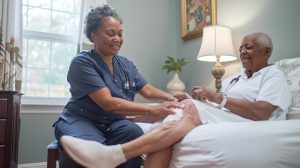
Wounds are part of life, but when healing slows or stops, even minor issues can lead to infections, hospital visits, or long-term complications. For patients and caregivers alike, understanding what wound care entails, when it’s needed, and how professional treatment can help make a difference in recovery, comfort, and long-term health.
This guide explains what wound care is and when medical attention may be needed. It also shows how professional wound care supports faster, safer healing, especially in high-risk patients.
What Is Wound Care?
Wound care is the medical assessment, cleaning, treatment, and monitoring of injuries or breaks in the skin to promote healing and prevent infection. While minor cuts and scrapes often heal on their own, some wounds need specialized attention, especially if they’re slow to heal, painful, or showing signs of infection.
At its core, wound care focuses on:
- Protecting the wound from infection
- Supporting the body’s natural healing process
- Reducing pain and inflammation
- Preventing tissue damage or amputation
Care can take place at home, in a doctor’s office, or at an outpatient wound care clinic, depending on severity and complexity.
Why Proper Wound Care Matters
Without proper treatment, wounds can worsen instead of improve. Infections, delayed healing, and chronic pain are common outcomes when wounds aren’t managed correctly.
Effective wound healing treatment helps:
- Lower infection risk
- Reduce scarring and tissue damage
- Improve circulation and oxygen flow to the wound
- Shorten recovery time
- Prevent hospital readmission
For vulnerable populations—such as seniors, people with diabetes, or individuals with vascular disease—proper wound care can be life-saving.
Types of Wounds Treated
Not all wounds heal the same way. Understanding the different types of wounds helps determine which treatments are needed and when professional care may be required.
Acute Wounds
Acute wounds result from sudden injury or medical procedures and generally follow a normal healing timeline when complications are avoided.
Examples include:
- Surgical incisions
- Cuts or lacerations
- Burns
- Traumatic injuries
These wounds usually respond well to standard treatment when cared for promptly and monitored for infection.
Chronic Wounds
Chronic wounds heal slowly or fail to heal at all, often lasting longer than four weeks despite basic treatment.
Common types of chronic wounds include:
- Diabetic foot ulcers
- Pressure injuries (bedsores)
- Venous leg ulcers
- Arterial ulcers
- Non-healing surgical wounds
Chronic wounds often require specialized wound care to address underlying conditions and prevent serious health risks.
Acute Wounds vs. Chronic Wounds
While all wounds involve tissue damage, acute and chronic wounds differ in how they heal and the level of care they require:
| Feature | Acute Wounds | Chronic Wounds |
| Healing Time | Days to weeks | 4+ weeks |
| Cause | Injury or surgery | Poor circulation, pressure, and diabetes |
| Infection Risk | Lower | Higher |
| Often Needs Professional Care | Sometimes | Often |
| May Require Advanced Wound Care | Rarely | Frequently |
Recognizing these differences helps ensure wounds receive appropriate treatment before problems develop.
Signs a Wound Is Not Healing Properly
Recognizing the signs of a wound that is not healing allows you to seek care before the problem worsens.
Warning signs may include:
- Increasing pain or swelling
- Redness spreading around the wound
- Drainage that’s thick, yellow, green, or foul-smelling
- Fever or chills
- Blackened or dead tissue
- No improvement after 1–2 weeks
If you notice any of these, consider professional wound care.
When Home Care Is Enough—and When It’s Not
Some wounds can be managed safely at home, while others require medical evaluation. Here are a few general guidelines:
| Situation | Home Care May Be Enough | Medical Care Needed |
| Small Cuts / Scrapes |  |
|
| Minor Burns | |
|
| Surgical Wounds With Redness or Drainage | |
|
| Diabetic Foot Wounds | |
|
| Wounds Lasting Over 4 Weeks | |
|
| Pressure Sores | |
|
| Signs of Infection | |
When healing raises concerns, an evaluation by a licensed wound care specialist can offer guidance and peace of mind.
What Is Professional Wound Care?
Professional wound care is more advanced than cleaning and bandaging. It involves specialized assessment and treatment plans for complex or slow-healing wounds.
Care may be provided at a wound care clinic or an outpatient medical facility with providers who specialize in helping difficult injuries heal.
Wound care treatment options may include:
- Thorough wound assessment
- Debridement (removal of dead tissue)
- Infection control
- Specialized dressings
- Compression therapy
- Advanced wound care technologies
- Ongoing monitoring and adjustment
Advanced care applies evidence-based therapies for injuries that fail to heal with conventional treatment.
These may include:
- Specialized wound dressings
- Negative pressure wound therapy (wound vacs)
- Offloading techniques for foot ulcers
- Moisture-balancing therapies
- Biologic or regenerative treatments
Advanced care is often essential for chronic wound care, especially in patients with diabetes or poor circulation.
Wound Care for Seniors
Wound care for seniors requires special attention due to the physical changes that come with aging.
Those 65 and older are often dealing with:
- Thinner, fragile skin
- Reduced circulation
- Limited mobility
- Multiple chronic conditions
Treatments such as anticoagulation management and compression therapy help reduce the risk of pressure injuries, infections, and lasting complications that affect comfort and daily living.
Wound Care for Diabetics
People with diabetes require careful monitoring because reduced circulation and nerve sensation can make injuries easy to miss and difficult to manage.
Diabetic wounds:
- Heal more slowly
- Are more prone to infection
- Can lead to progressive tissue injury if untreated
Research shows that 50% to 70% of non-traumatic amputations occur in people with diabetes, often due to untreated foot sores that worsen over time. Routine foot and nail care can help prevent infections, hospitalization, and amputation.
When To See a Wound Care Doctor
When you’re unsure whether care is needed, it’s best to seek medical advice. Contact a healthcare provider if you notice any of the following:
- Your wound hasn’t healed after 2–4 weeks
- You have diabetes or circulation issues
- You are showing signs of infection
- Your wound is painful, deep, or worsening
- You’ve been discharged from the hospital with a complex wound
At Family & Wound Care Solutions, our outpatient wound care clinic provides focused care without the need for hospital admission.
Timeline: How Professional Wound Care Speeds Healing
Healing occurs in multiple stages. The wound-healing process for most patients involves:
- Initial assessment (days 1–3). The wound is evaluated for depth, infection risk, circulation issues, and underlying causes that could slow healing.
- Stabilization and protection (week 1). Proper cleaning, dressing selection, and pressure relief help reduce inflammation and prevent infection.
- Active healing phase (weeks 2–4). Targeted treatments promote healthy tissue growth, manage drainage, and address underlying issues such as poor circulation or swelling.
- Ongoing monitoring and adjustment (weeks 4+). Care plans are adjusted as the wound changes to prevent setbacks and avoid becoming chronic.
Addressing issues early and adjusting treatment as healing progresses can shorten recovery time and reduce long-term health risks.
How Often Are Wound Care Visits Needed?
Visit frequency depends on the wound’s severity, complexity, and response to treatment. In most cases, follow-up care looks like this:
- Simple or healing wounds. Typically checked once a week to monitor progress and change dressings.
- Moderate wounds. Often require two to three visits per week, especially during the early healing phase.
- Chronic or slow-healing wounds. May need multiple visits per week at first to manage drainage, circulation issues, and delayed healing.
- Infected or high-risk wounds. Require frequent monitoring until the infection is controlled and healing stabilizes.
As healing improves, visits are usually reduced. Regular follow-up helps catch problems early and keeps recovery moving forward.
Choosing the Right Wound Care Clinic
Choosing the right clinic matters, especially when healing is slow or you’re worried about your health and well-being. When looking for wound care near you, consider the following:
- Experienced wound care specialists
- Outpatient care options
- Comprehensive treatment plans
- Clear communication with patients and caregivers
At Family & Wound Care Solutions, patients receive personalized care grounded in established clinical practices, delivered by experienced providers.
Protect Your Health: Schedule an Assessment Today
Understanding how healing is supported enables patients and caregivers to act early and avoid unnecessary health risks. With professional support, recovery can be safer, more comfortable, and more predictable.
If you’re unsure what your injury needs, help is available. Contact Family & Wound Care Solutions to have your concerns evaluated and your options explained.