

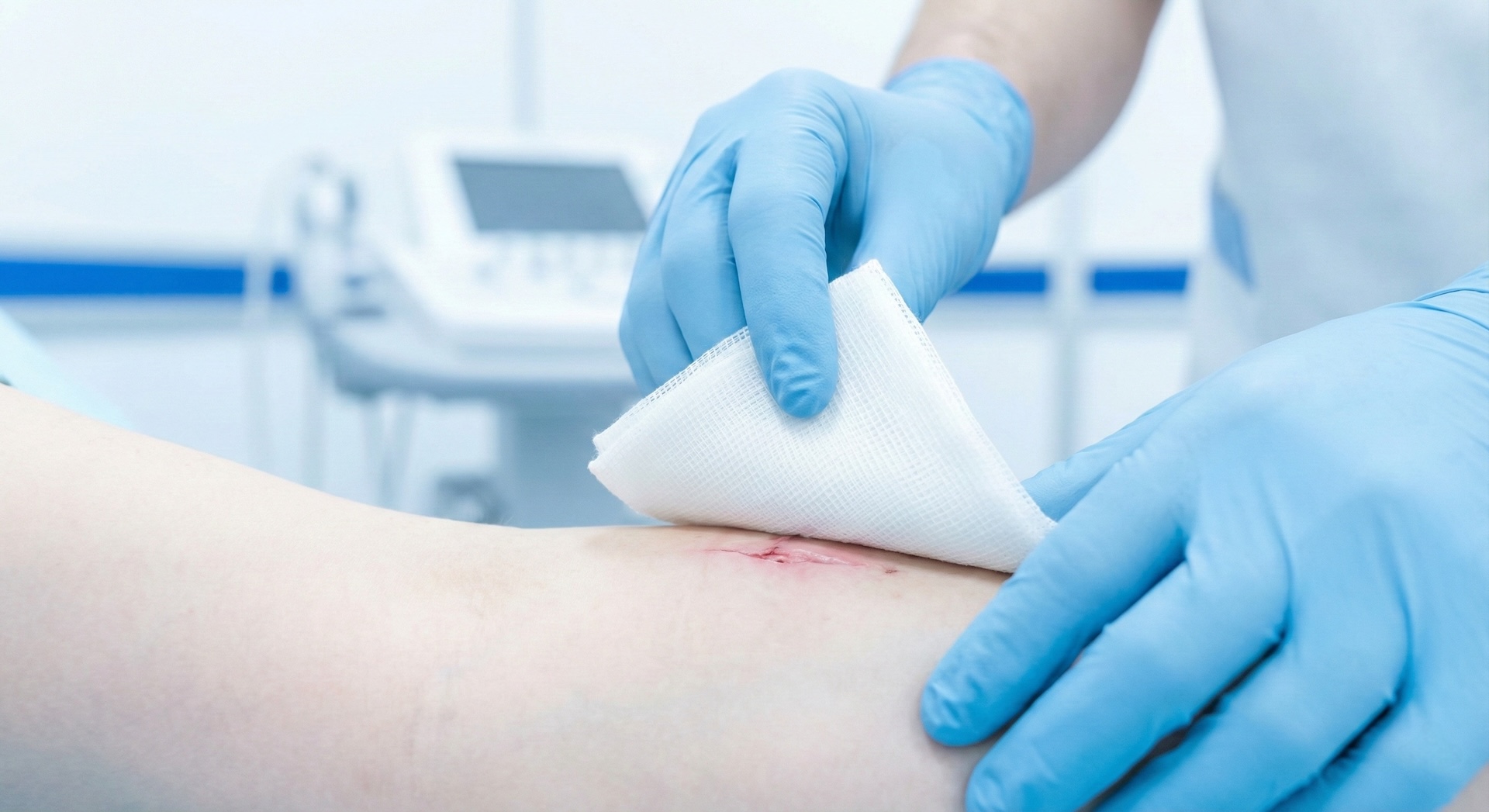
It starts as something small—a sore, a cut, a spot that should be healing. But weeks go by, and nothing changes. Maybe it’s still open. Maybe it’s getting worse. And now it’s not just an inconvenience—it’s affecting how you move, how you sleep, and how you get through your day.
Chronic wounds don’t just impact your skin—they can disrupt your routine, limit your mobility, and leave you wondering why your body isn’t healing the way it should. That uncertainty can be just as frustrating as the wound itself.
That’s where proper care can address what’s interfering with healing.
Chronic wound care focuses on identifying what’s slowing healing, protecting the area, and helping your body repair itself more effectively. With the right approach, even wounds that have stopped progressing can begin to improve.
In this guide, we’ll walk you through what to watch for, when to seek care, and how chronic wound management works—so you can better understand what’s happening and take the next step toward healing.
What Qualifies as a “Chronic” Wound?
Not every wound follows the expected path to healing. While most minor cuts and sores begin to close within a few weeks, some don’t improve—or stop improving altogether.
In most cases, a wound is considered chronic if it remains open or fails to improve after four weeks. In many cases, there’s an underlying reason.
Conditions that affect circulation, slow tissue repair, or weaken the immune system can delay healing. Diabetes, vascular disease, and prolonged pressure on the skin are some of the most common factors.
When a wound doesn’t progress as expected, basic first aid is often not enough. Advanced wound treatment addresses both the injury and the underlying factors slowing recovery.
Common Types of Chronic Wounds
Chronic wounds don’t all develop the same way. The underlying cause—whether it’s poor circulation, pressure, or an existing health condition—plays a major role in how the injury forms and how it should be treated.
Understanding the type of wound is an important first step in choosing the most effective treatment approach.
Below is an overview of the most common types of chronic wounds and what contributes to their development:
| Wound Type | Common Causes | Risk Factors |
| Diabetic Foot Ulcers | Poor blood sugar control and nerve damage that reduce sensation and slow tissue repair. | Diabetes, especially when paired with neuropathy or poor circulation. |
| Pressure Ulcers (Bedsores) | Prolonged pressure that limits blood flow to certain areas of the skin. | Limited mobility, long-term care needs, and inability to reposition regularly. |
| Venous Stasis Ulcers | Poor vein function leading to fluid buildup and increased pressure in the lower legs. | Varicose veins, obesity, inactivity, and a history of vein disease. |
| Arterial Ulcers | Reduced blood flow that limits oxygen and nutrients needed for healing. | Peripheral artery disease, smoking, high cholesterol, or other circulation issues. |
| Surgical Wound Dehiscence | A surgical incision that reopens due to delayed healing or stress on the area. | Infection, obesity, diabetes, poor healing response, and excess strain. |
| Traumatic Wounds | Injuries that fail to heal properly due to tissue damage or delayed care. | Poor circulation, infection, underlying health conditions, or delayed treatment. |
Each type has its own underlying cause, which means care must be tailored to the individual. This is especially important when it comes to traumatic wound care, where proper evaluation and treatment can impact healing outcomes.
Recognizing early signs that healing isn’t progressing as it should can help you seek treatment sooner—and avoid more serious complications.
When Should You Seek Treatment for a Chronic Wound?
It’s not always obvious when a wound needs more than basic care. What starts as a minor issue can become more serious if healing doesn’t progress as it should.
You may need non-healing wound treatment if the injury:
- Has not improved after four to twelve weeks
- Shows signs of infection, such as redness, warmth, or drainage
- Becomes more painful over time
- Develops a foul odor that may indicate infection or tissue damage
- Begins to deepen, spread, or change in size
Early intervention can prevent complications and reduce the risk of long-term damage due to infection or delayed healing. A wound care specialist can evaluate the area, identify what’s interfering with healing, and recommend a treatment plan based on the underlying cause and severity.
Chronic Wound Treatments—A General Overview
So what does treatment actually look like for a chronic wound?
Chronic wound care typically involves a combination of therapies to clean the area, protect healthy tissue, and create the right conditions for healing. Because every wound responds differently, treatment plans are adjusted over time based on progress and underlying factors.
Below are some of the most common chronic wound treatment options and how they work:
| Treatment | Used For | Goal |
| Debridement | Removes dead or infected tissue using specialized tools or cleansing methods. | Clear away damaged tissue and support healthy growth. |
| Compression Therapy | Applies steady pressure through wraps or compression garments, often for lower leg wounds. | Improve circulation and reduce fluid buildup that slows recovery. |
| Negative Pressure Wound Therapy (Wound Vac) | Uses a sealed dressing connected to a vacuum device to remove fluid and draw wound edges together. | Promote tissue growth and help the wound close more efficiently. |
| Advanced Dressings | Uses layered or medicated dressings that are changed regularly to protect the area. | Maintain proper moisture balance and protect the wound during healing. |
| Skin Substitute Treatments | Places biologic or synthetic materials over the wound to support new tissue development. | Encourage tissue regeneration and help close stubborn wounds. |
| Ultrasonic Misting | Delivers a fine antimicrobial mist without direct contact to cleanse the wound. | Reduce bacteria and create a healthier healing environment. |
Each of these treatments supports chronic wound healing, but the most effective approach depends on the type of injury and its underlying causes.
Wound Care Approaches for Different Conditions
Treatment for chronic wounds is not one-size-fits-all. The right approach depends on what’s causing the wound and how it’s progressing over time.
Because of this, chronic wound care clinic providers customize care plans using approaches like the following:
Diabetic Foot Ulcer Treatment
Diabetic foot ulcers develop when high blood sugar damages nerves and reduces circulation. This can make injuries harder to detect and slow the body’s ability to heal.
Treatment typically focuses on:
- Relieving pressure with specialized footwear or offloading devices
- Cleaning the area and addressing infection as needed
- Supporting circulation to improve oxygen and nutrient delivery
Nutritional support can also help manage blood sugar levels and support tissue repair. With consistent treatment, many patients begin to see steady improvement over time.
Pressure Ulcer Treatment
Pressure ulcers develop when prolonged pressure reduces blood flow to the skin, most often in individuals with limited mobility.
Treatment usually includes:
- Repositioning regularly to restore blood flow
- Using supportive surfaces to reduce pressure points
- Keeping the area clean and protected
- Monitoring closely for signs of infection
Relieving pressure is critical to prevent further tissue damage and support healing.
Venous Stasis Ulcer Treatment
Venous stasis ulcers occur when blood flow in the veins is impaired, leading to swelling and skin breakdown.
Wound support may include:
- Applying compression wraps or garments
- Elevating the legs to reduce swelling
- Encouraging movement to support circulation
- Protecting the area with appropriate coverings
For many patients, ongoing, non-invasive care is needed to manage persistent vein-related ulcers.
Arterial Ulcer Treatment
Arterial ulcers develop when reduced blood flow limits the delivery of oxygen and nutrients needed for repair. They often appear on the feet or toes and may look pale or dry.
Treatment generally includes:
- Evaluating circulation and identifying underlying vascular concerns
- Managing contributing conditions such as high cholesterol or smoking
- Protecting the area to avoid further damage
If blood flow is limited, referral to a vascular specialist may be recommended to assess circulation and determine next steps.
Non-Healing Surgical Wound Treatment
Surgical sites may fail to heal as expected due to infection, poor circulation, or stress on the incision.
For these types of wounds, care may involve:
- Evaluating the site to identify what’s preventing closure
- Cleaning the area and removing non-viable tissue
- Using advanced therapies such as specialized dressings or wound vac therapy
As the wound begins to improve, providers monitor progress and adjust the treatment plan as needed.
At Family & Wound Care Solutions, care is tailored to your condition and how it responds over time, with regular follow-up to keep healing on track.
If the wound shows unusual changes or is not improving as expected, a biopsy may be recommended to help identify the cause and guide the most effective treatment approach.
Schedule a Personalized Wound Assessment Today
Living with a chronic wound can be physically and emotionally exhausting. At Family and Wound Care Solutions, we pair expert treatment with compassionate care so you feel supported at every stage of healing.
If your wound isn’t improving or is getting worse, now is the time to act. Schedule your wound assessment and take the first step toward recovery.